The Evolution of Classic Cars: From Vintage to Modern Roads
Classic cars have always held a special place in automotive history. They are more than just machines; they are cultural symbols that reflect innovation, style, and passion for the open road. For some drivers, these vehicles are rolling works of art, capturing an era when craftsmanship and design were as important as performance. For others, classic cars represent the foundation of the modern automotive world, a reminder of how far technology has come.
When we talk about classic cars, we’re really talking about the evolution of driving itself. From the early days of hand-cranked engines to the sleek and powerful vehicles cruising today’s highways, the journey has been one of constant change. Looking at how these cars have developed helps us appreciate not only the beauty of vintage automobiles but also the engineering breakthroughs that keep our vehicles safer, faster, and more efficient today.
Early Beginnings: The Birth of the Automobile
The earliest vehicles were experimental, often handmade, and far from what we would recognize as a car today. In the late 1800s, inventors like Karl Benz introduced gasoline-powered vehicles that set the foundation for modern transportation. These first automobiles were noisy, slow, and mechanically simple, but they sparked an industry that would soon reshape the world.
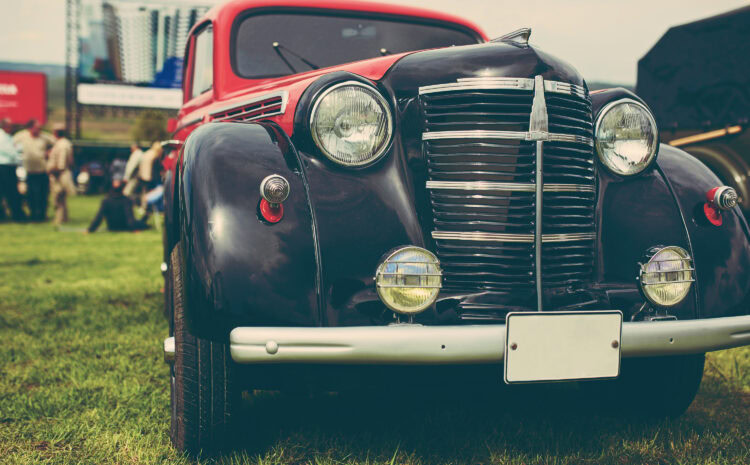
By the 1920s and 1930s, carmakers were finding their identity. Brands like Ford, Chevrolet, and Chrysler began mass-producing vehicles that everyday families could afford. This was the era of the Ford Model T, a true icon of automotive history. Suddenly, cars were no longer luxuries for the wealthy but practical tools that gave people freedom and mobility. The design of these early classics emphasized reliability and accessibility, two qualities that remain vital in automotive care today.
Post-War Classics: Style Meets Power
After World War II, the automotive industry entered a golden age. The 1950s and 1960s gave us cars that are still celebrated as classics today. Chevrolet Bel Airs, Ford Thunderbirds, and Cadillac convertibles dominated American roads with bold chrome, sweeping tailfins, and big V8 engines. This was a time when cars became expressions of personal style as much as modes of transportation.
At the same time, engineering was evolving quickly. Automatic transmissions, power steering, and air conditioning became standard features, making driving easier and more comfortable. These advancements paved the way for the conveniences drivers now take for granted. Car enthusiasts today still admire post-war classics not just for their beauty but also for the mechanical innovations that influenced the future of automobiles.
Muscle Cars and Performance Legends
By the late 1960s and 1970s, muscle cars roared onto the scene. The Dodge Charger, Pontiac GTO, and Ford Mustang became household names, blending raw power with sleek design. These vehicles represented freedom, rebellion, and the thrill of speed. Car clubs and drag races flourished, and owning a muscle car was often a rite of passage for young drivers.
The performance focus of this era reshaped automotive culture. Even as fuel crises in the 1970s forced automakers to rethink efficiency, the spirit of performance lived on. Modern sports cars and high-performance sedans owe much of their DNA to the muscle cars of decades past.
European Classics and Engineering Excellence
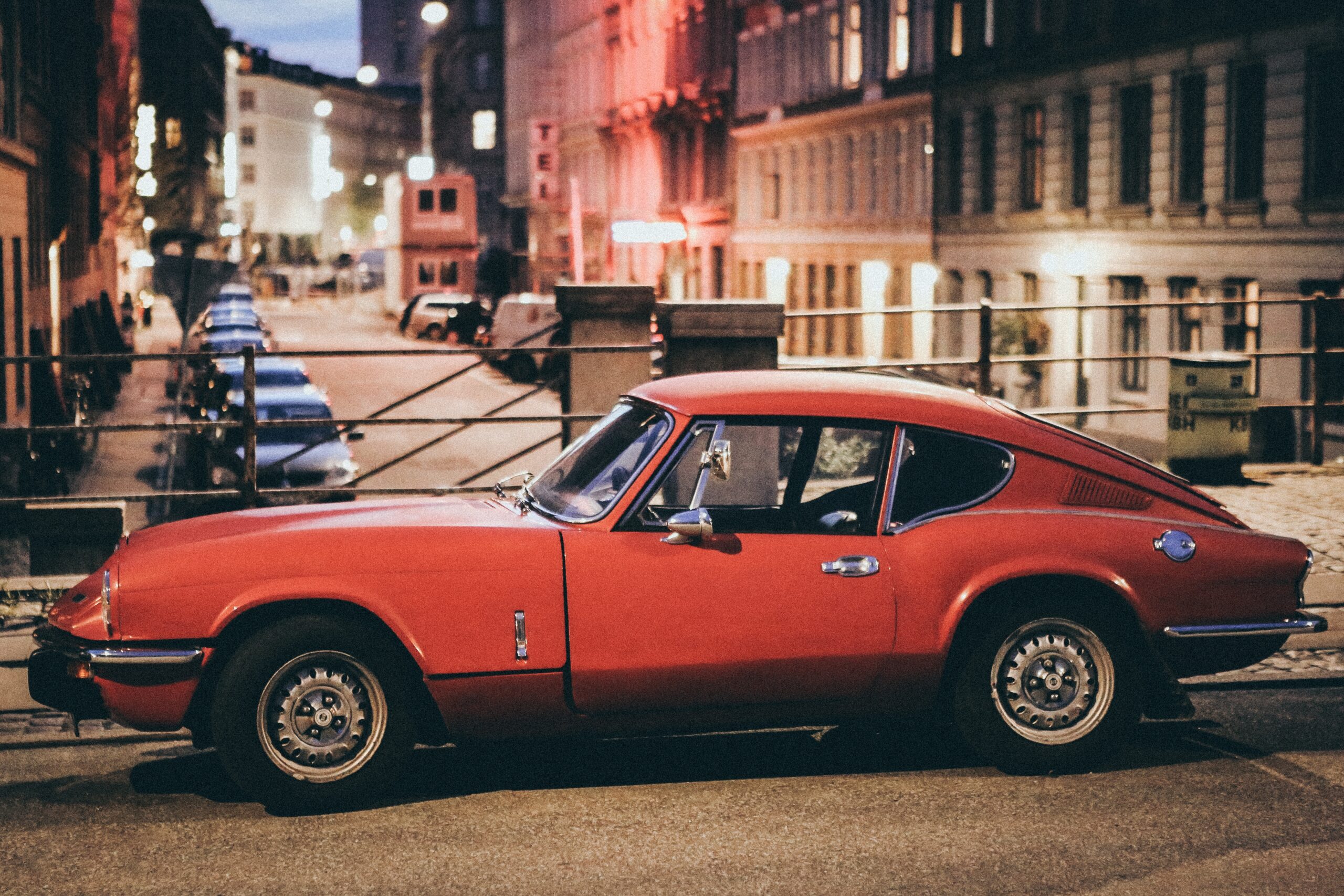
While American cars defined style and muscle, European automakers made their mark with engineering precision. Porsche, Ferrari, Jaguar, and Mercedes-Benz created vehicles that balanced performance with elegance. Cars like the Porsche 911 and the Jaguar E-Type are still revered as timeless classics.
These vehicles demonstrated that driving could be more than power and speed; it could be about handling, balance, and craftsmanship. The influence of European classics can still be felt in modern vehicles, where performance and luxury often go hand in hand.
The Rise of Modern Classics
Not all classics are from the mid-20th century. Cars from the 1980s and 1990s are now entering the world of modern classics. Vehicles like the Mazda RX-7, Toyota Supra, and Chevrolet Corvette from this era are gaining recognition for their innovation and influence. These cars introduced advanced electronics, fuel injection, and aerodynamic design, bridging the gap between traditional engineering and the modern technology that powers today’s vehicles.
Collectors and enthusiasts are increasingly drawn to these models, recognizing their role in shaping modern driving experiences. For many, these modern classics carry nostalgic value, reminding them of their first car or favorite race scene on television.
From Classic Roads to Modern Highways
The journey from vintage cars to modern vehicles highlights just how much the automotive world has transformed. Today’s cars are safer, more efficient, and packed with technology that drivers from the 1950s could hardly imagine. Features like anti-lock brakes, airbags, and advanced diagnostics ensure not only better performance but also greater peace of mind on the road.
Yet, despite all the advancements, the admiration for classic cars has never faded. They remind us of the artistry, passion, and craftsmanship that built the foundation of the automotive world. Whether it’s the roar of a muscle car or the elegant lines of a vintage coupe, these vehicles continue to inspire.
Caring for Classics and Modern Vehicles Alike
One thing has never changed: cars, whether vintage or brand new, need care to perform at their best. Classic cars often demand more attention due to their age and mechanical simplicity, while modern vehicles rely heavily on advanced systems and electronics that require specialized knowledge.
Owners of both types of vehicles know the importance of regular maintenance. Oil changes, brake services, air conditioning repair, and battery checks are essential no matter the year or model. While the tools and technology have changed, the goal remains the same: keeping your car safe, reliable, and ready for the road.
For drivers in Indio, CA, finding a trusted shop to handle both modern and classic needs is essential. A team with decades of experience can recognize the uniqueness of older models while also being equipped to manage today’s technology-driven cars.
Why Automotive History Still Matters Today
The evolution of classic cars teaches us a lot about progress. It shows how far we’ve come in engineering, safety, and efficiency, but it also highlights values that remain unchanged. Integrity, craftsmanship, and a passion for the road have always been part of the automotive journey.
For drivers, appreciating automotive history is about more than nostalgia. It’s about understanding the foundation of the vehicles we rely on today and recognizing the importance of proper care to keep them running smoothly.
Keep Your Vehicle’s Story Alive
Whether you drive a timeless classic or a modern daily driver, every car tells a story. To keep that story alive, it needs attention and care. At Al’s Automotive in Indio, CA, we’ve been helping drivers preserve their vehicles for nearly four decades. Our ASE-certified mechanics understand the unique needs of American makes and models, providing everything from quick oil changes to advanced diagnostics and air conditioning repair.
We believe in service with integrity, fast turnaround times, and customer satisfaction that speaks for itself. With over 35 years of experience and a reputation built on trust, our family-owned shop is here to keep your car’s story going strong.
If your vehicle is due for maintenance or repair, don’t wait until small issues become big problems. Call Al’s Automotive today and experience quality auto care you can count on.